
Operational Benefits of Industrial Doors
Industrial doors significantly improve workflow efficiency by reducing waiting times at critical transit points within the facility. Thanks to their high-speed automated opening systems, they enable continuous movement of both machinery and personnel, avoiding unnecessary interruptions in daily operations.
This results in more agile logistics, with better-synchronized processes and a direct reduction in operational costs associated with downtime, especially in environments where goods turnover is constant.
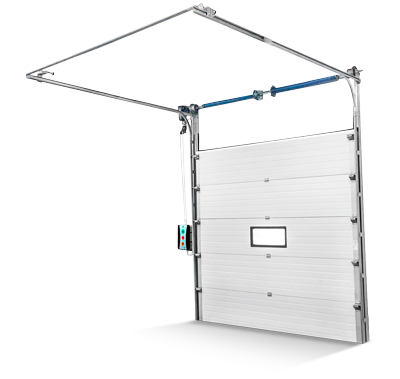
Reinforced operational safety
They safeguard personnel, cargo, and the facility itself, enhancing safety across daily operations.
High resistance and durability
Engineered for intensive use, they withstand adverse weather conditions and high-frequency opening cycles.
Thermal and acoustic insulation
They help maintain internal temperatures and reduce noise levels, improving overall comfort within the warehouse.
Sealing and external protection
Protection By sealing out air, water, and external contaminants, they ensure a more controlled working environment.
Efficiency and functional adaptation
They optimize floor space, streamline operations, and are tailored to the specific technical needs of each facility.
Industrial doors best practices
Types of industrial doors
At Alapont Global we manufacture three main categories of industrial doors, designed to balance traffic frequency, insulation and safety in any operating environment.


Why choose Alapont Global as your manufacturer
As expert manufacturers, Alapont Global delivers versatile, high-durability industrial doors tailored for safety and operational efficiency across all sectors.
Wide range of solutions
Adapted to different industrial environments and operational needs.
Custom-made doors
Designed and manufactured to meet specific project requirements.
Safety & compliance
Strong focus on meeting safety standards and regulations.
Energy efficiency
High thermal insulation to reduce energy loss.
Durability
Robust materials ensuring long-lasting performance.
Industry experience
Proven expertise in logistics, industrial, and cold storage sectors.
Integrated solutions
Complete systems for loading bays and warehouses.
Single supplier
One partner for multiple industrial solutions.

How to choose the right industrial door
Selecting the right solution requires evaluating technical factors that influence the long-term profitability of the installation.
01.
Cycle Frequency Requirements
Analyse the required daily opening and closing cycle frequency.
02.
Thermal Insulation Performance
Verify the level of thermal insulation needed to protect climate control.
03.
Available Installation Space
Check the opening dimensions and the available headroom under the ceiling.
04.
Safety System Features
Ensure that the model includes anti-drop and anti-pinch safety systems.
Safety and regulations for industrial doors
Industrial and garage doors, manual or automatic, involve responsibilities for manufacturers, installers, owners/users and maintenance firms ensuring safety and durability.

Compliance with standards such as DIN 13241-1 for anti-pinch systems and the integration of motion detectors drastically reduces legal liability and workplace accidents. Consult the full regulations here for more information.
Download our catalog
Access all the technical and visual information on our solutions to optimise your loading area with Alapont Global.

Frequently asked questions about industrial doors
What maintenance do industrial doors require?
Maintenance of industrial doors is essential for durability and safety. It should include inspection of opening cycles, mechanical components and automation systems. A specialized technical service ensures proper long-term operation and helps prevent failures and costly downtime.
How does an industrial door improve energy efficiency?
Industrial doors improve energy efficiency thanks to insulated sandwich panels with polyurethane foam cores and EPDM sealing joints, which reduce air leakage and enhance thermal and acoustic performance.
Which types of doors are best for loading bays?
Sectional doors offer strength and thermal insulation, while high-speed doors are ideal for high-traffic loading areas due to their fast opening and closing cycles.
Is CE marking mandatory for industrial doors?
Yes, CE marking is mandatory for industrial doors in Europe. It certifies compliance with safety and performance standards and ensures legal and operational safety for installations.
How often should industrial doors be inspected?
Industrial doors should be inspected regularly depending on usage intensity, typically through scheduled preventive maintenance programs.
What factors affect the lifespan of an industrial door?
Lifespan depends on usage frequency, maintenance quality, environmental conditions and the materials used in its construction.
Tell us about your project and we will help you
We help you choose the loading dock shelters for your project.
Request a call
and we will contact you as soon as possible.
