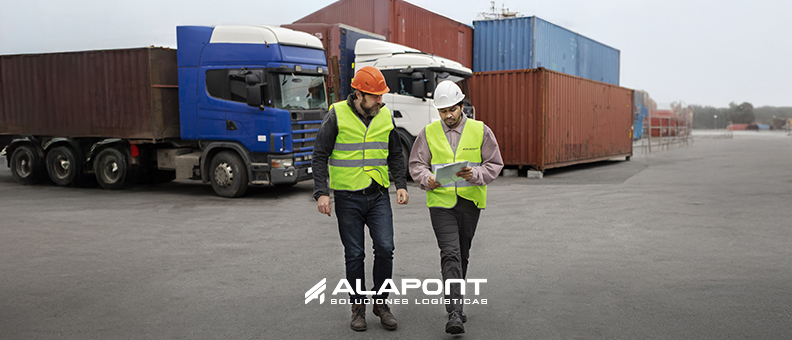
On the loading bay, safety during the loading and unloading of trucks is the most important. The process of loading and unloading at loading docks is one of the most critical and dangerous moments in loading operations, as it involves handling heavy and bulky objects, which can lead to serious accidents if proper safety measures are not taken.
Therefore, having an appropriate loading dock leveler is crucial for ensuring the safety of workers and goods. This article will discuss the importance of safety in the loading and unloading process and how loading ramps can help prevent accidents.
Why is safety so important in the loading process?
Loading and unloading are complex processes requiring considerable work and coordination. However, these processes can also be dangerous, especially without adequate safety measures. Inattentiveness, fatigue, or stress can increase the risk of accidents in the loading and unloading area. Additionally, using inappropriate equipment and tools can also be hazardous.
This is why having an adequate loading dock dock is essential. Loading docks leveler allow trucks to approach the correct height for loading and unloading goods.
Furthermore, loading docks can help reduce the time and effort required for loading and unloading, potentially reducing worker fatigue and stress.
What safety measures should be followed in the loading and unloading area?
Beyond having an appropriate loading dock leveler, it’s important to follow a set of safety regulations to ensure a safe working environment and minimize the risk of damage to goods and accidents during the loading and unloading process. Some of the safety measures that should be taken include:
- Ensure that workers involved in the loading and unloading process receive adequate training on safety measures and the use of the loading dock equipment.
- Equip workers with appropriate tools and personal protective equipment, such as helmets, gloves, and safety footwear
- Verify that the loading dock equipment is in good working order before using it.
- Securely and stably position loading and unloading materials.
- Utilize appropriate wheel-locking devices to prevent vehicles from moving during the loading and unloading process.
- Ensure adequate lighting in the loading and unloading area. If insufficient, use additional lighting accessories, like LED spotlights.
- Inspect cargo before loading and unloading to ensure it is correctly packed and secured.
- Mark loading and unloading areas with protections and bollards to allow workers and vehicle drivers to move safely within the environment.
- Limit access to the loading and unloading area to authorized personnel only.
- Discover other signaling systems for loading docks and how they can help improve the safety of your facilities.
How can a suitable loading dock ramp help guarantee safety?
It’s important to highlight that loading docks are essential tools in any logistics facility.
- They enable workers to safely and efficiently move goods between the vehicle and the warehouse, eliminating the need to manually lift heavy loads.
- They help keep cargo in place, preventing it from shifting during the loading and unloading process.
- They bridge the height difference between the loading dock floor and the vehicle, as different types of trucks have varying heights and widths.
- They prevent accidents in the loading and unloading area. Mobile loading ramps or levelers, for example, can adjust to the height of the truck, eliminating the need to raise or lower heavy loads from or to a raised truck.
- Loading docks with non-slip edges can also help prevent accidents and slips in wet or rainy conditions.
- Loading levelers should be sturdy and resistant to withstand the weight and movement of cargo. They should have a design that allows safe and easy access to the truck.
What are the different types of loading dock leveler?
Not all dock levelers are the same, and it is important to choose the right option for your company. There are different types of loading ramps, each with specific features to suit the needs and situations of each company.
Here are some of the most common types of loading dock leveler found at Alapont Logistics:
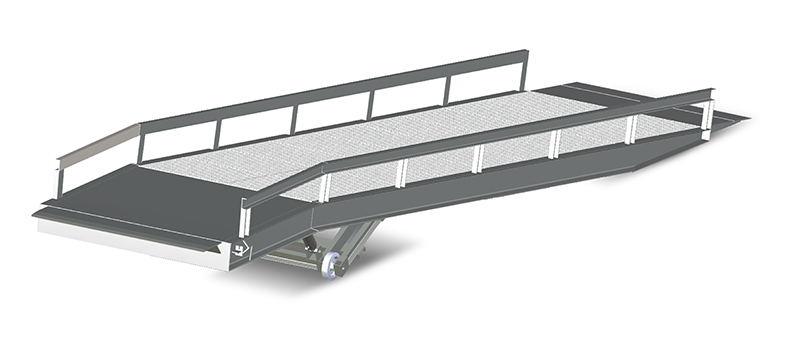
Portable yard ramps:
These ramps can be moved from one location to another based on the company’s needs. They are ideal for companies requiring more flexibility.
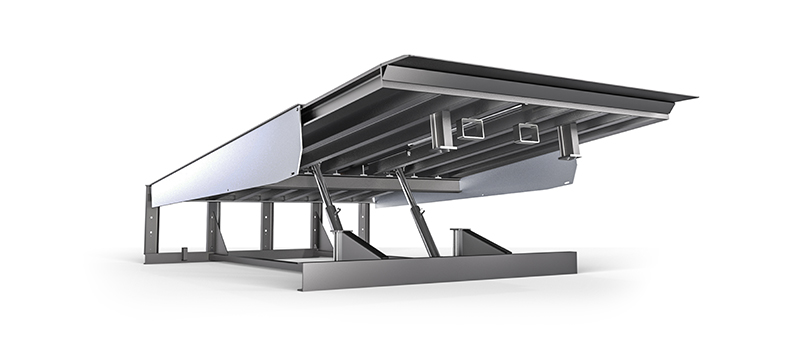
Telescopic dock leveler:
These ramps adjust in length and width to accommodate various truck sizes. They are ideal for companies handling different types of vehicles.
Custom-Made leveler:
These are solutions adapted to the specific needs of our clients, considering the volume of loading and unloading and the requirements of the goods being handled: food, pharmaceuticals, hygiene and temperature requirements.
Conclusion
As we’ve seen in this article,having an appropriate loading dock leveler is essential for minimizing the risks of accidents and facilitating the loading and unloading process. Furthermore, following the right safety regulations is key to guaranteeing a safe working environment.
If you want to invest in a quality loading dock ramp that meets the right safety measures, contact us. Our team of experts will advise you on the most suitable solutions to reduce the risks of accidents and improve the efficiency of your logistics operations.