
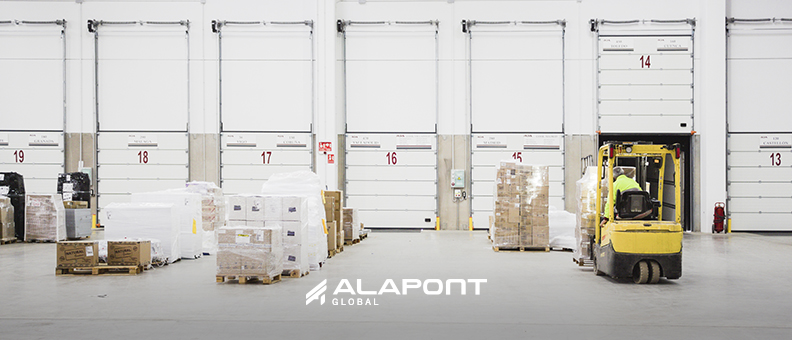
In high-throughput distribution centers and warehouses, vehicle flow management at loading docks is a decisive factor for productivity.
A poorly structured traffic ecosystem not only erodes efficiency through idle time and congestion, but also introduces unacceptable safety risks and directly impacts supply chain profitability. The objective is to transform the dock area from a bottleneck into a high-fluidity transfer point.
Analysis of friction points and mitigation solutions
Inefficiency at the loading dock typically stems from five systemic issues. Below is a breakdown of each problem and its professional solutions.
Congestion and Waiting Times (Queues)
The lack of rigorous vehicle arrival planning leads to unstructured queues and suboptimal use of dock resources.
Management Solutions:
- Implementation of dock slotting and appointment scheduling systems for dynamic allocation of time windows and dock positions.
- Use of Dynamic Information Displays and variable signage to instantly direct drivers to the assigned or newly available dock.
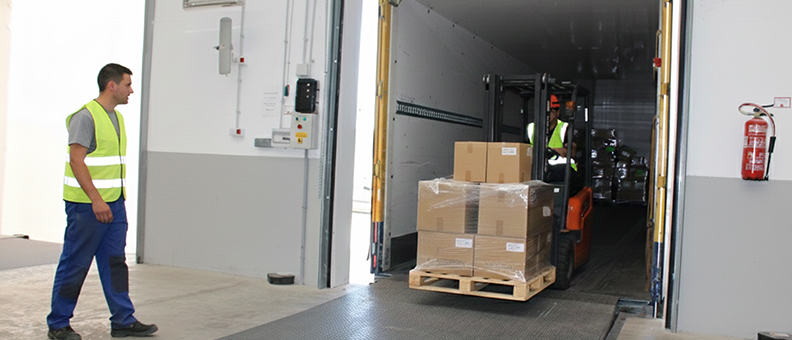
Risks inherent to uncontrolled maneuvers
Erratic vehicle movements (unsignaled lane changes, incorrect approach angles) are a primary source of yard incidents.
Infrastructure and Guidance Solutions:
- Installation of steel dock guides to ensure centered and standardized vehicle approach.
- Design and maintenance of horizontal traffic markings clearly defining approach lanes, waiting zones, and exit routes.
- Predictive lighting systems to assist drivers during night-time operations or low-visibility conditions.
Critical Interference Between Traffic Flows (Pedestrians and Equipment)
The non-segregated coexistence of heavy vehicles, material handling equipment (forklifts), and pedestrians represents the highest risk priority.
Flow Segregation Solutions:
- Establishment of structured, protected pedestrian corridors fully isolated from forklift traffic areas.
- Use of elevated or crosswalk-style walkways to eliminate ground-level interaction points.
- Integration of warning beacons or proximity detection systems to alert personnel and equipment of mutual presence. Discover the Alapont signalling systems for loading docks.
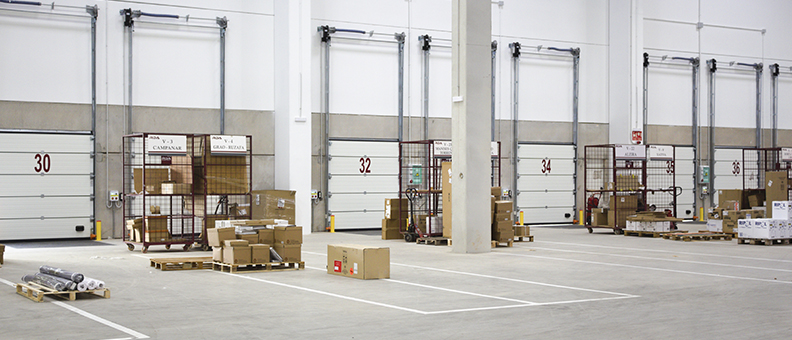
Information Asymmetry and Operational Coordination
The absence of a clear communication protocol between drivers, dock operators, and warehouse staff leads to premature or delayed actions (e.g., a truck departing before unloading is completed).
Protocol and Synchronized Signage Solutions:
- Implementation of dual traffic light systems (interior/exterior) automatically synchronized via dock leveler sensors or vehicle restraints.
- Use of standardized interior signaling (e.g., green light “Safe to Operate”) confirming that the docking safety protocol has been completed.
Dock Underutilization (Operational Blocking)
Using the loading dock as an extension of staging or temporary storage areas blocks transfer capacity and creates upstream congestion.
Control and Procedural Solutions:
- Adoption of a digital dock management system displaying real-time operational status (Available, In Progress, Blocked).
- Reinforcement of Standard Operating Procedures (SOPs) explicitly prohibiting the use of docks for staging or prolonged storage.
Methodology as a Productivity Lever
Optimizing the loading dock area does not necessarily require massive capital investment, but rather a strategic integration of infrastructure, signaling technology, and rigorous operational methodology. By enforcing order and predictability in vehicle flow, organizations not only mitigate incident risks and comply with safety regulations, but also achieve measurable increases in productivity per labor hour and per dock hour.
Contact with us for more information:
